





& Juliet: A Musical Revolution in Tucson
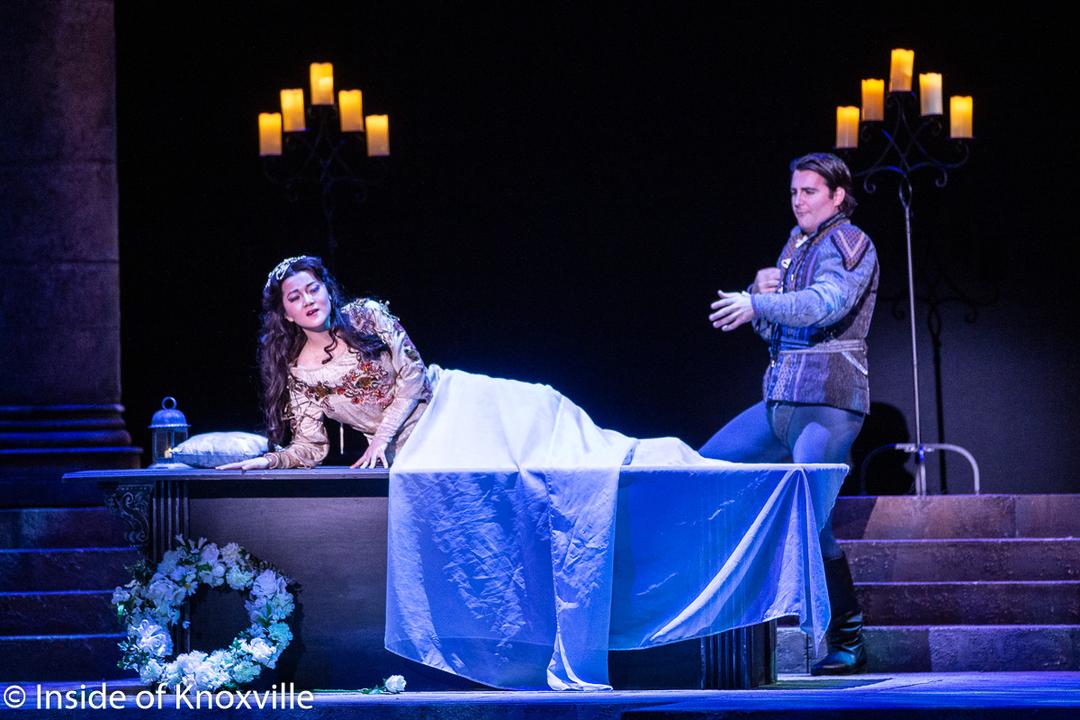
& Juliet is a groundbreaking jukebox musical that reimagines the classic tale of Romeo and Juliet, showcasing the vibrant songs of renowned Swedish pop songwriter Max Martin. With a book by David West Read, this production celebrates themes of empowerment and self-determination through the character of Juliet, who forges her own path after the tragic events of Shakespeare's original play. Since its premiere in Manchester in 2019, & Juliet has captivated audiences in London's West End and on Broadway, establishing itself as a significant cultural phenomenon.
Tucson serves as a key market for theatrical productions, and the historical significance of venues like Centennial Hall enhances the experience for attendees. This venue has hosted numerous acclaimed performances, making it an ideal location for a show as dynamic as & Juliet. The musical features an energetic pop soundtrack with beloved hits such as "...Baby One More Time," "Roar," "I Want It That Way," and "Since U Been Gone," ensuring an exhilarating live experience that resonates with audiences.
The production is known for its high-energy performances and inclusive representation, making it a must-see for theatre enthusiasts in Tucson. With a runtime of approximately 2 hours and 30 minutes, including an intermission, audiences can expect a vibrant spectacle filled with engaging choreography and stunning set designs. The direction by Luke Sheppard and choreography by Jennifer Weber contribute to the show's lively atmosphere, making each performance a memorable event.
As & Juliet continues its North American tour, it promises to bring its unique blend of pop music and theatrical storytelling to Tucson audiences. The musical not only entertains but also inspires with its message of self-empowerment and resilience.
Frequently Asked Questions
What is the typical price range for & Juliet tickets in Tucson?
Historically, tickets have ranged from $40 to $150 for smaller venues and can go up to $500+ for major productions.
How often does & Juliet tour?
& Juliet has been actively touring since its North American launch in September 2024, with performances scheduled across various cities.
What types of venues host & Juliet performances?
What should I expect from the concert experience?
The concert experience includes high-energy performances, elaborate stage production, and a runtime of approximately 2 hours and 30 minutes with an intermission.
Are there any age restrictions for attending & Juliet?
Age restrictions may vary by venue; however, it is generally suitable for audiences of all ages due to its inclusive themes.
Is there an opener for the show?
& Juliet typically does not feature an opening act; the focus is solely on the musical performance itself.
```Media and Trailers